


Rebuilding Speech &
Restoring Lives.
Aphasia doesn’t have a deadline. Recovery shouldn’t either.
After a stroke or brain injury, many people come to believe that most language recovery happens in the first few months. But recovery doesn’t necessarily stop there. What they’re not told is the brain is capable of adapting and reorganizing. This capacity, known as neuroplasticity, helps explain why meaningful progress can continue months or even years after a stroke or brain injury.
But access to the proven,intensive, specialized therapy programs designed to harness this brain science is still limited. Insurance rarely covers these programs and these programs are expensive, geographically scarce and often out of reach for the very people who need them most.
Our PURPOSE
At Aphasia Relearned, we bridge the gap for stroke survivors and individuals with aphasia by funding access to intensive, life-changing therapy programs that are:
Grounded in evidence-based speech and language rehabiliation and designed to provide focused, meaningful practice.
Comprehensive and immersive, designed specifically for aphasia recovery
Widely underutilized due to cost, travel, and lack of public awareness
These programs exist, but they remain limited in number and geography, and accessing them often requires a significant financial and logistical resource. Tuition ranges from $5,000 to $29,000+ not including travel, housing, meals or transportation. That’s a price tag most families simply can’t afford. No one should have to give up on communication because they can’t afford the opportunity to keep improving.
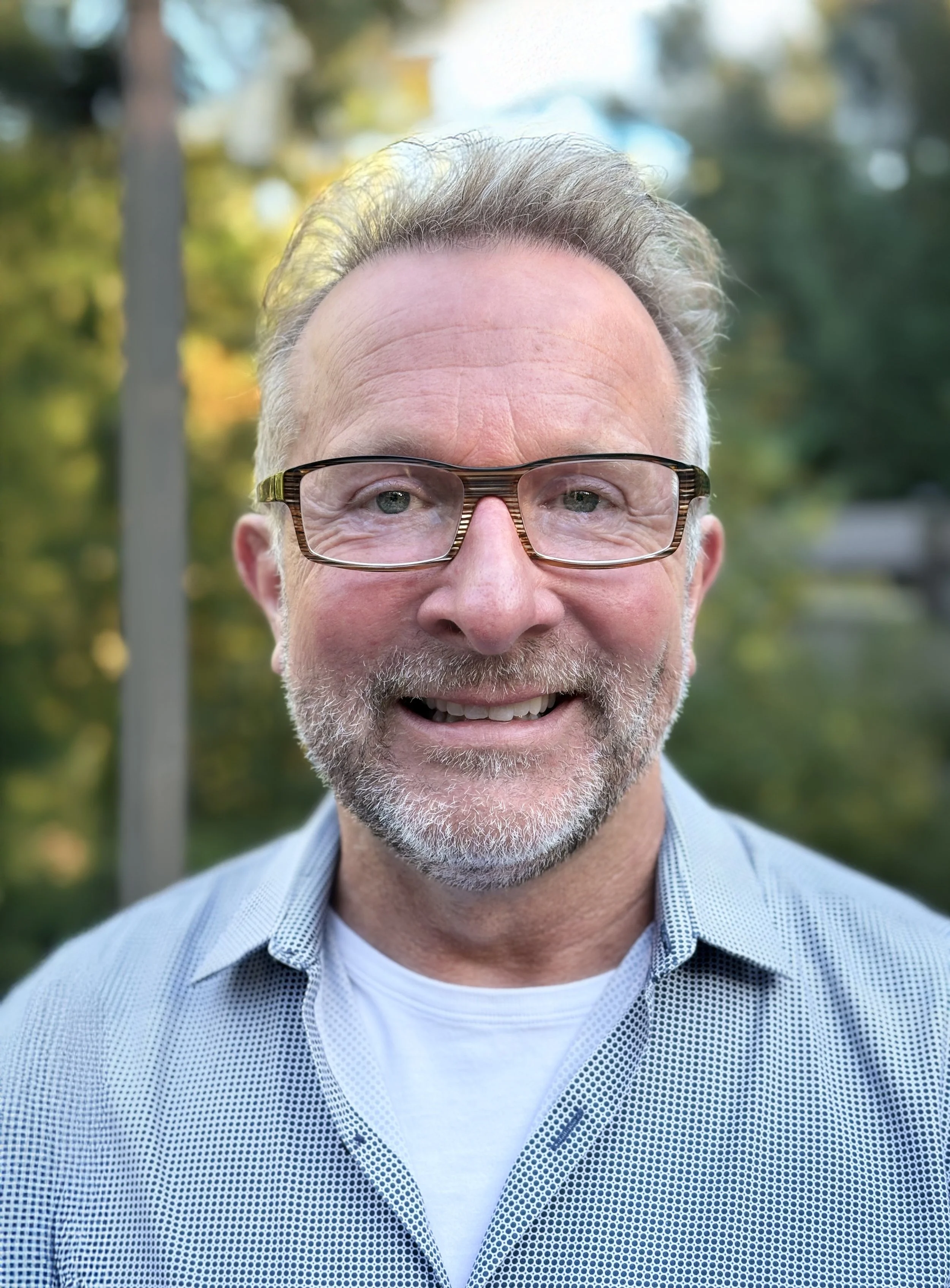
Inspired by a Personal Mission
Our work is driven by the story of Kent Emry, an accomplished entrepreneur and healthcare leader who suffered a massive stroke in 2022 following a race car accident. The stroke left him unable to walk, talk, or move his right side—with aphasia being the most persistent and isolating challenge.
Through access to comprehensive, private-pay speech therapy programs, Kent has made remarkable progress in reclaiming his independence. But his recovery revealed a harsh truth: the most effective therapies for aphasia are prohibitively expensive, rarely covered by insurance, and often unknown to those who need them most.
Motivated by his journey, Kent founded Aphasia Relearned to ensure no one is held back by cost or lack of information. His experience showed him what can happen when someone has access to intensive, specialized care and what it means when that access depends on personal resources. We believe that everyone deserves access to it.
Today, Kent continues his own healing journey—working hard, creating new neural pathways, and defying the limitations he was once led to believe were permanent. His determination is a daily reminder of what’s possible when access meets opportunity.

The brain is amazing and has an extraordinary capacity to adapt. And for many people with aphasia, meaningful progress can continue long after the first months of recovery.
It is not necessarily too late. Neuroplasticity and recovery do not have a fixed expiration date. No matter if you were diagnosed months ago or decades ago, progress is still possible.
You deserve access to the level of treatment that matches your goal and clinical needs; not simply the amount the insurance happens to cover.
we
believe

Aphasia Relearned exists to remove the financial barriers that prevent people living with aphasia from attending an existing Speech-Language Pathologist taught Intensive Comprehensive Aphasia Program (ICAP).
There are currently six SLP taught ICAPs in the United States, with approximately 380 participant slots available each year. These intensive programs typically require participants to attend three to four hours a day, for a minimum of two consecutive weeks and often three to six weeks. Insurance generally does not cover participation, and the total cost of attending averages about $27,000 when tuition, food, travel, transportation and lodging are included.
The programs exist. The expertise exists. The available slots exist. The financial access does not. That is the gap Aphasia Relearned was created to fill.
HOW WE HELP
What
Aphasia Relearned Does
Aphasia Relearned:
Connects people living with aphasia to existing SLP taught ICAPs, helping them identify the programs available to them and understand how to begin the process of applying.
Helps people navigate access to an SLP taught ICAP, while leaving clinical decisions, including whether an individual is appropriate for and accepted into their particular program.
Provides need-based financial assistance for the costs associated with attending an SLP taught ICAP, including tuition, food, travel, transportation and/or lodging.
Coordinates financial support with the participant and the SLP taught ICAP once an individual has been accepted and approved for Aphasia Relearned funding.
Helps address the costs insurance generally does not cover, so that the ability to participate in an SLP taught ICAP is not determined solely by a person's ability to pay.
We help people living with aphasia access the intensive programs that already exist by addressing the financial barrier that too often stands between them and participation.
We don't just pay for therapy.
We help people get to the therapy.
Our goal is simple.
A person should not have to give up on continued rehabilitation because they cannot afford it, cannot find the right program, or cannot figure out how to get there.
Aphasia doesn’t have a deadline. Recovery shouldn’t either.
resources
Newsletter
Sign up for our mailing list